
Your Local Trusted Partner for
Septic System Services
Available 24/7
Weekend & Holiday Emergency Pump-Outs
Family Owned & Operated
Over 50 Years Experience
Licensed & Insured
Professional Septic Service You Can Trust
Trusted Septic Experts Serving the Midlands Since 1960s
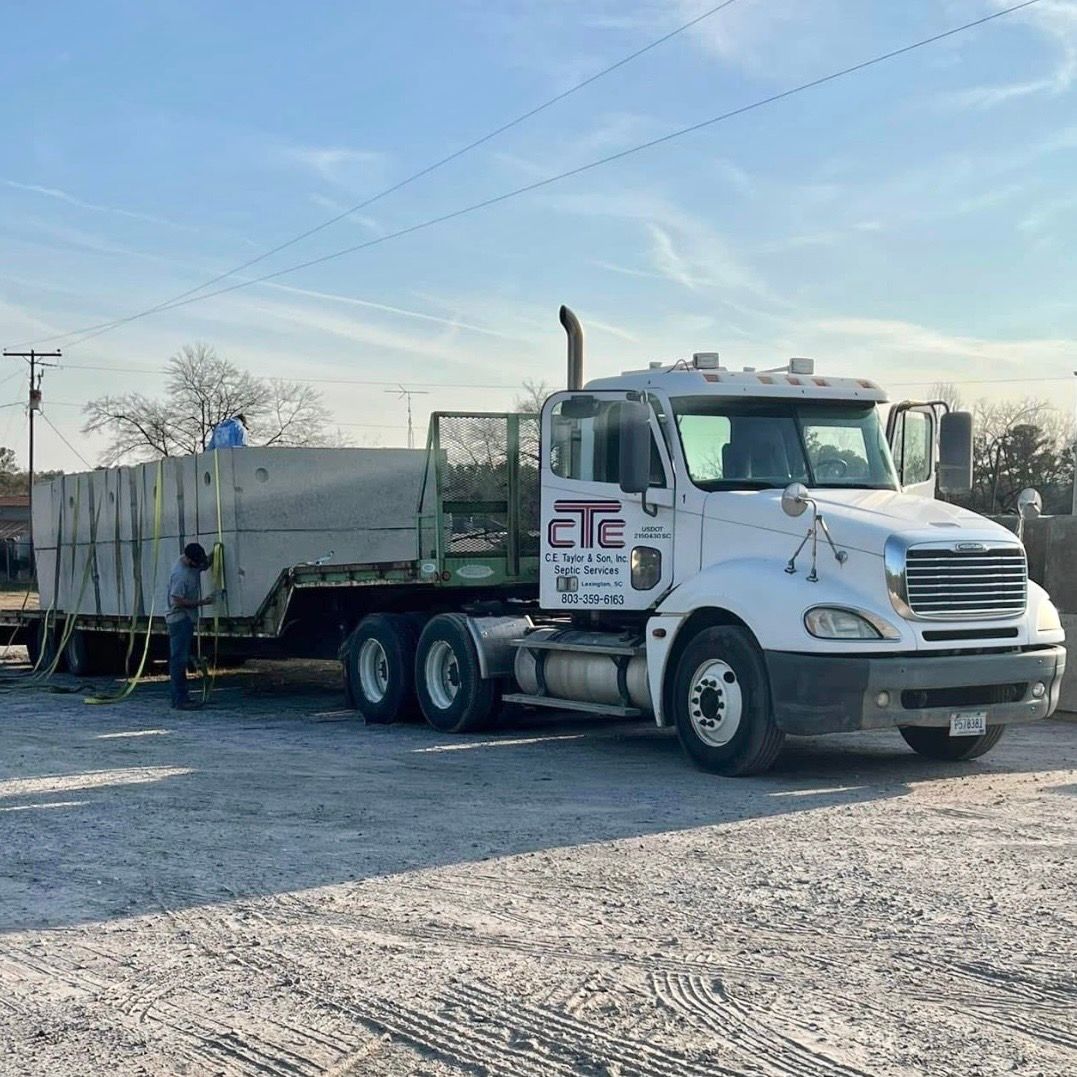
For over 50 years, C. E. Taylor & Son has provided dependable septic services to homeowners and businesses throughout Lexington, Columbia, and the surrounding Midlands.
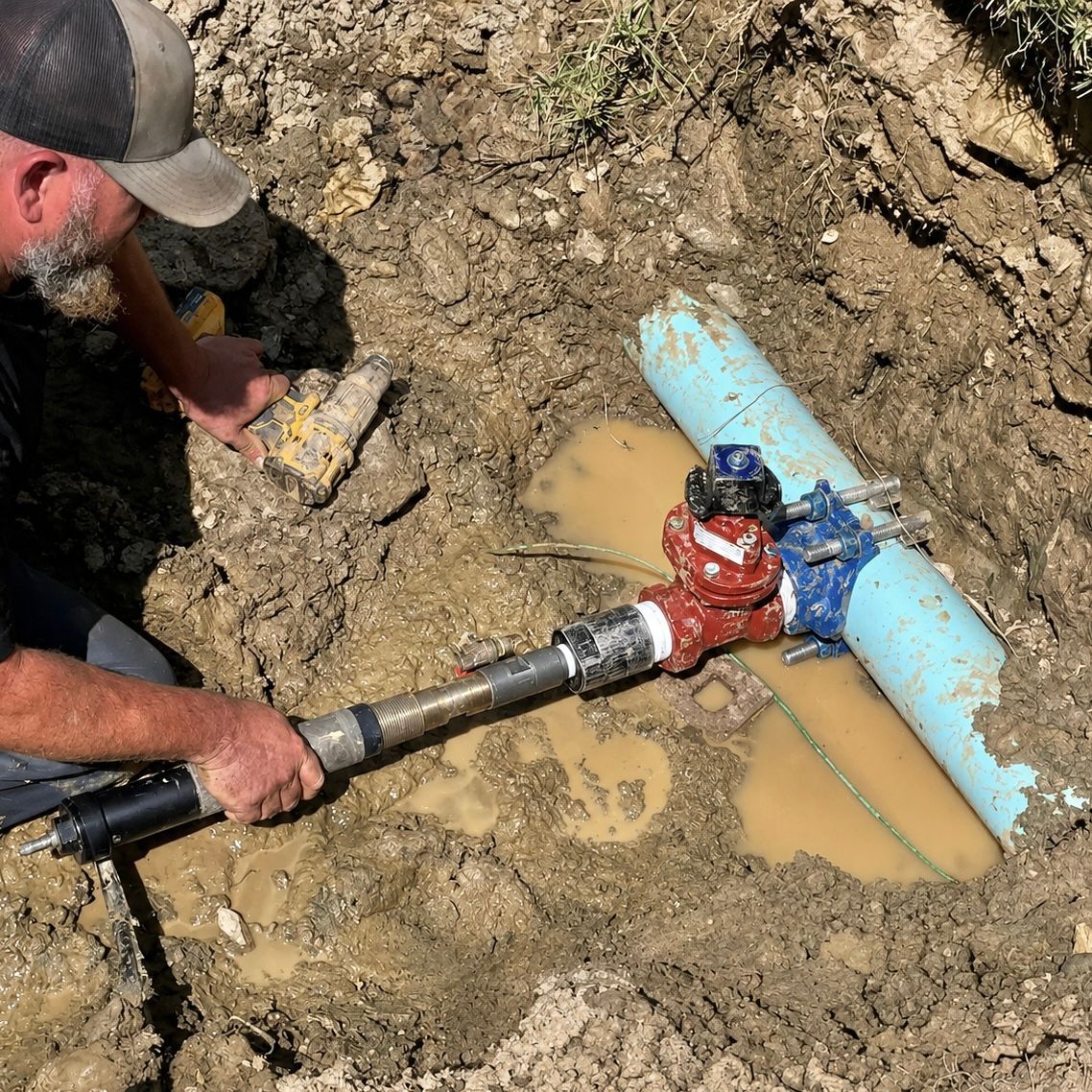
As a family owned and operated company, septic isn’t just what we do, it’s what we know best. With generations of hands-on experience, our team has the knowledge and equipment to handle everything from routine pump outs and inspections to repairs and complete septic system installations.
With more than five decades in the septic industry, we’ve seen just about everything. We use that experience to provide honest recommendations, practical solutions, and help our customers make informed decisions about their systems. It’s how C. E. Taylor & Son has become a trusted name in septic and a leading provider throughout the Midlands.
Experience You Can't Learn Overnight
Septic work requires more than equipment and a checklist. It takes experience to know what to look for, how to approach each property, and which solutions make the most sense for each system.
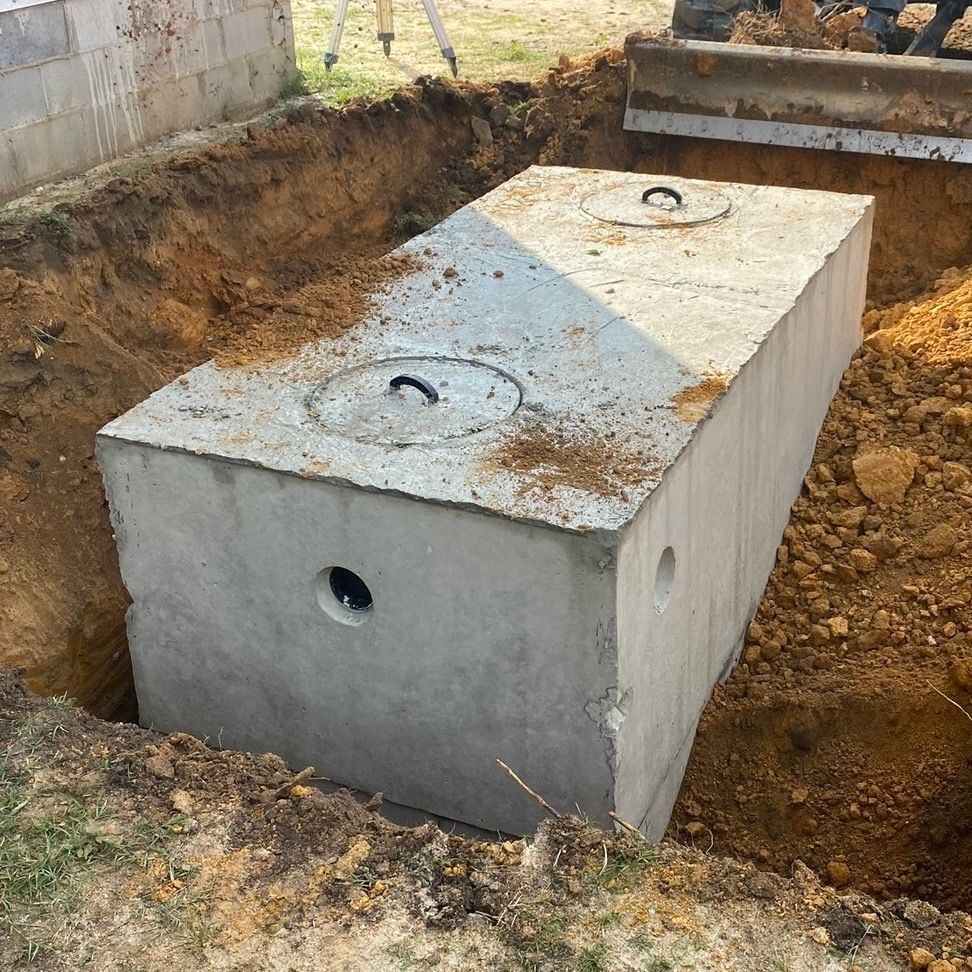
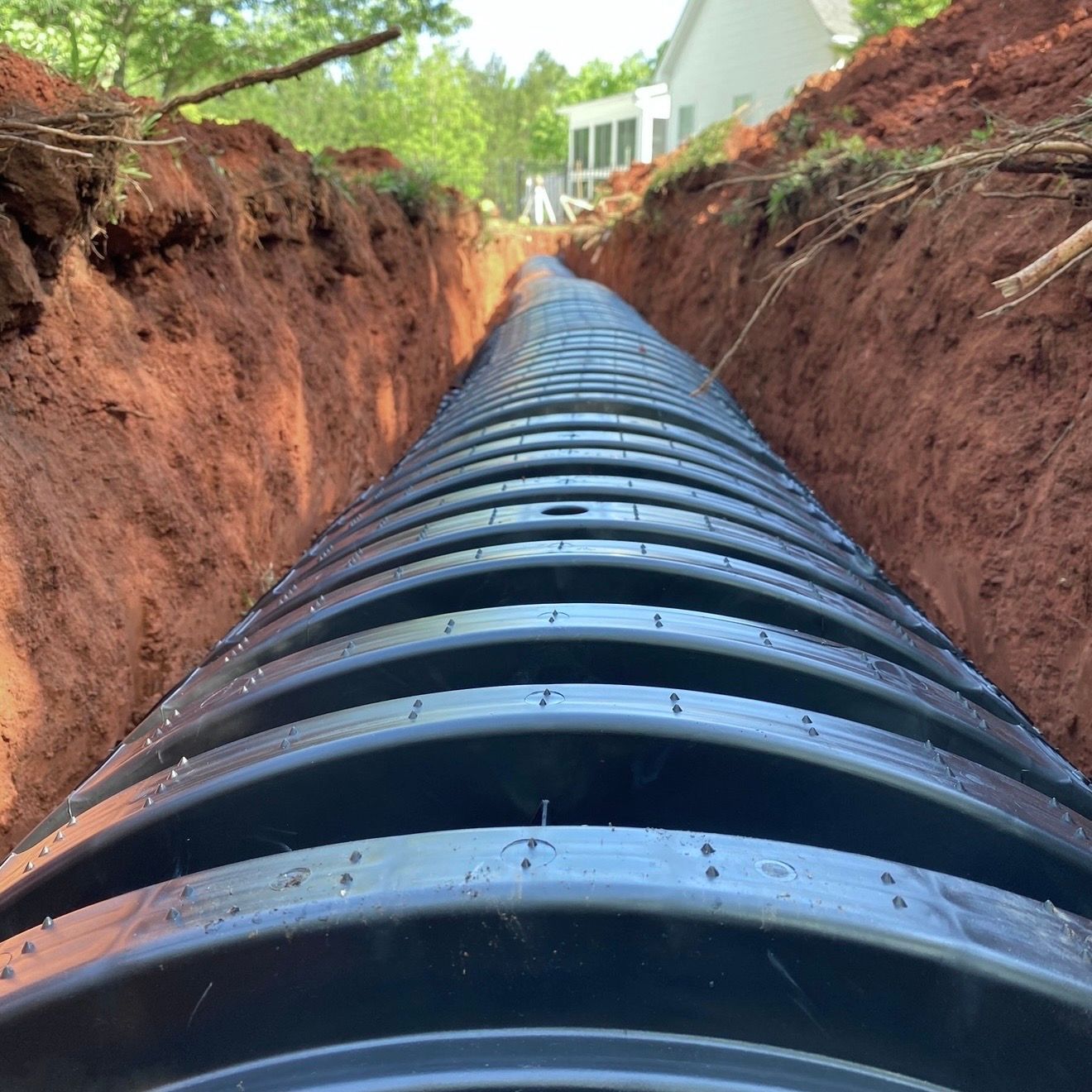
Proper installation is critical to the performance and longevity of a septic system. From getting the details right during installation to recognizing potential problems and making necessary adjustments, experience plays an important role in the quality of the work.
There's no shortcut for that kind of knowledge. It comes from years of hands-on work, learning in the field, and knowing what it takes to get the job done right.
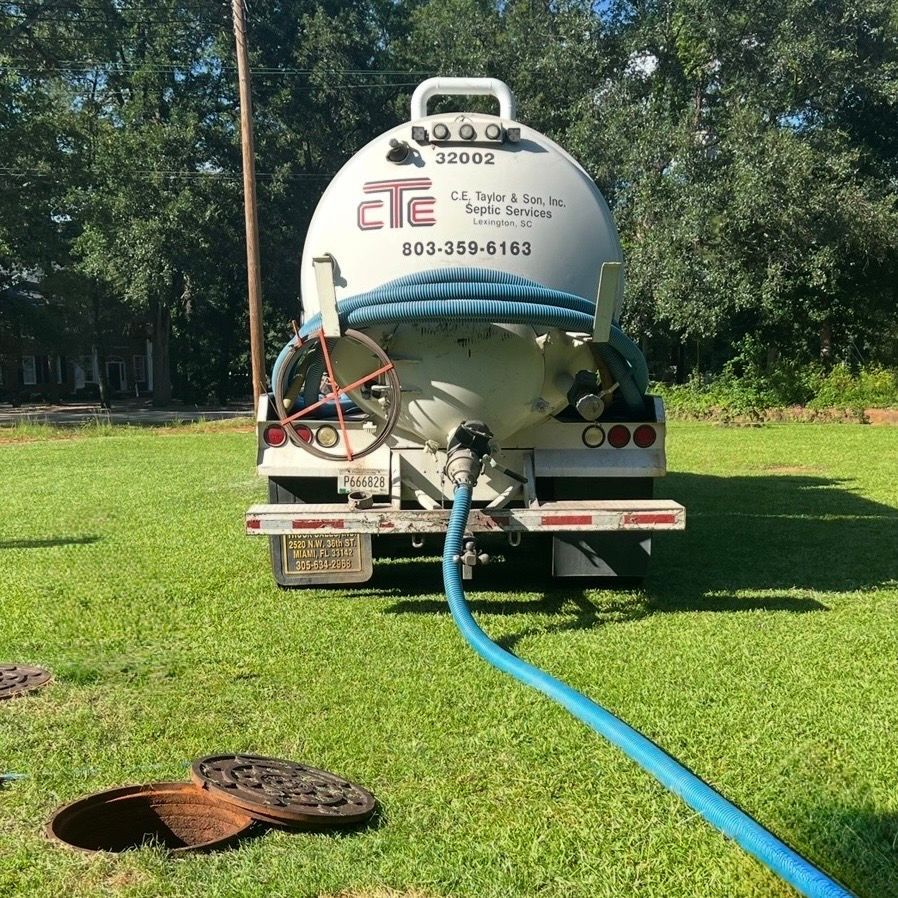
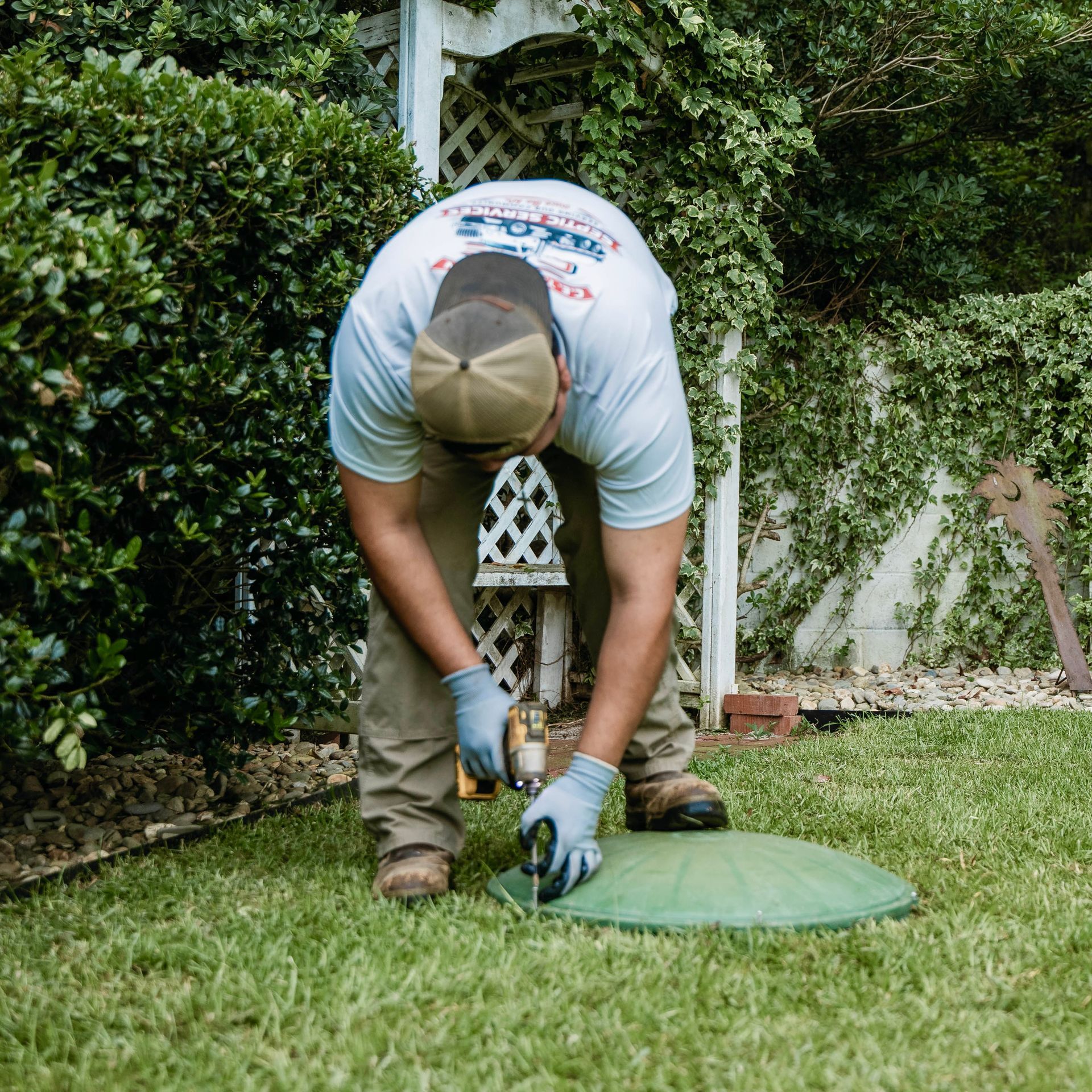
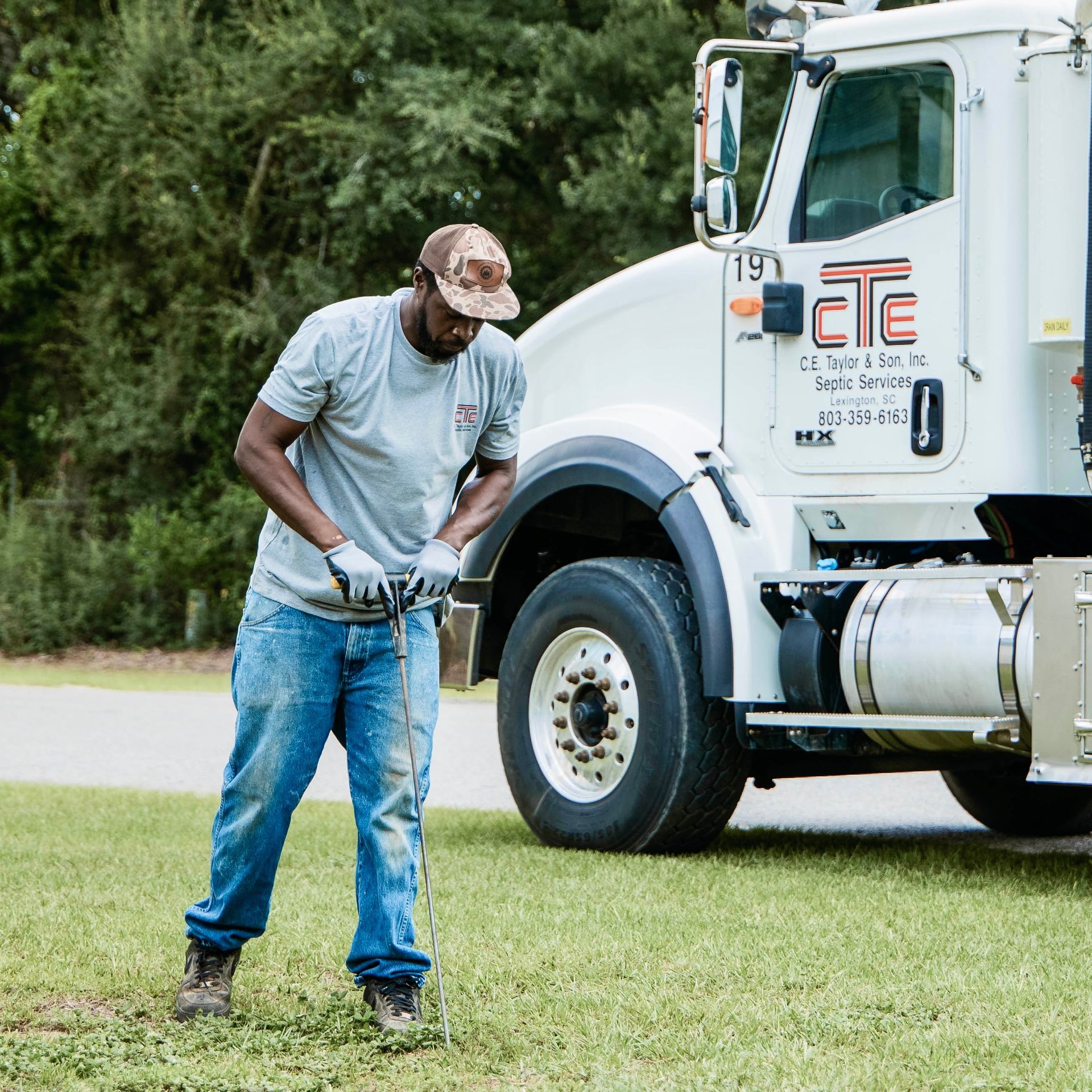
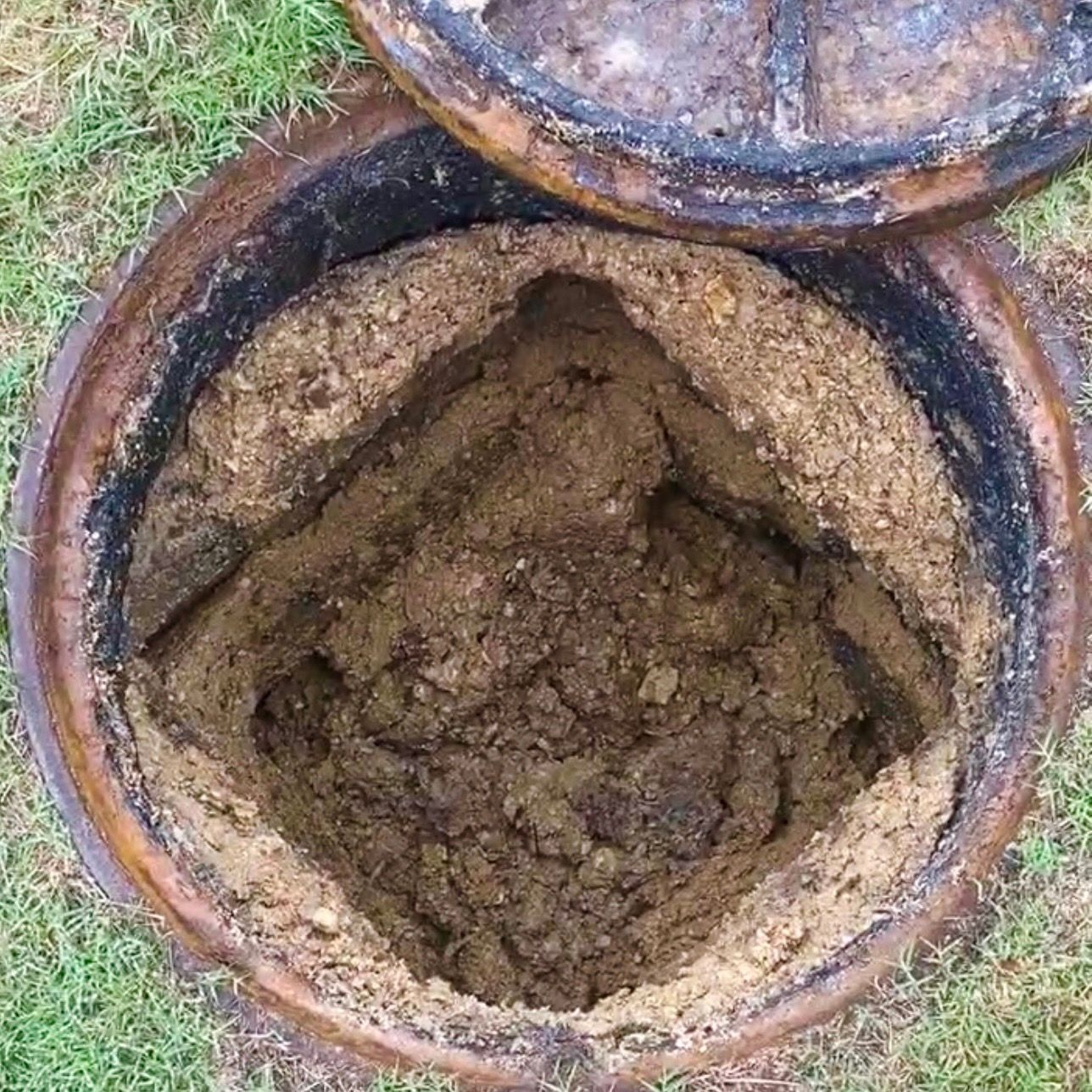
Our Septic Tank Services Include:


- Lexington Lexington, South Carolina, United States
- Richland Richland County, South Carolina, United States
- Saluda Saluda, South Carolina, United States
- Newberry Newberry, South Carolina, United States
- Fairfield Fairfield, Edisto Island, South Carolina 29438, United States
- Calhoun Calhoun, Clemson, South Carolina, United States
- Orangeburg Orangeburg, South Carolina, United States
- Aiken Aiken, South Carolina, United States
- Kershaw Kershaw, South Carolina, United States
- Edgefield Edgefield, South Carolina, United States
- McCormick McCormick, South Carolina, United States
- Darlington Darlington, South Carolina, United States
- Bamberg Bamberg, South Carolina, United States
- Barnwell Barnwell, South Carolina, United States
- Sumter Sumter, South Carolina, United States
South Carolina Service Area
Based out of Red Bank in Lexington, C. E. Taylor & Son provides trusted septic services to homeowners and businesses throughout the Midlands and surrounding communities.
⭐⭐⭐⭐⭐
What Our Customers Say
Read reviews from our happy clients
Loading reviews...
No reviews found.
Frequently Asked Questions
1. How often should a septic tank be pumped?
Most septic tanks should be pumped every 3-5 years, depending on household size, water usage, and tank capacity. Regular pumping removes accumulated solids, helping prevent backups, costly repairs and premature system failure.
2. What are signs my septic system needs service?
Common warning signs include:
Slow drains throughout the home
Sewage odors inside or outside
Standing water or soggy areas near the drain field
Gurgling plumbing fixtures
Sewage backing up into sinks or toilets
3. How can I extend the life of my septic system?
The best way to extend the life of your septic system is through proper maintenance and everyday habits. Have your tank pumped every 3-5 years, fix plumbing leaks promptly, spread out water usage by doing laundry over several days instead of all at once, avoid flushing anything other than toilet paper and human waste, and keep vehicles, heavy equipment, and deep-rooted trees off your drain field.
4. Do you provide emergency septic services?
Yes. We offer emergency septic pumping on weekends and holidays for situations that can’t wait.
5. Do you work with residential and commercial septic systems?
Yes. We provide septic services for both residential and commercial properties. Our experienced team has the equipment and expertise to handle jobs of all sizes.
6. Why is regular septic maintenance important?
Regular septic maintenance helps prevent costly repairs and can significantly extend the life of your septic system. Pumping your tank every 3-5 years removes accumulated solids before they can reach and damage the drain field. Routine maintenance also gives your septic professional the opportunity to identify small issues before they become major problems, helping keep your system working properly for years to come.
7. What should never be flushed into a septic system?
- Wipes (even “flushable” ones)
- Grease and cooking oils
- Feminine hygiene products
- Paper towels
- Harsh chemicals or bleach
- Paints, solvents, and pesticides
- Cat litter
8. How long does a septic system last?
Average life expectancy is 15-20 years. However with more permeable soils, properly maintained septic system can often last 30+ years. While no system lasts forever, routine maintenance plays a big role in maximizing its lifespan. Pumping every 3-5 years, conserving water by spacing out laundry loads instead of doing them all in one day, fixing leaks promptly, and protecting your drain field from heavy traffic and tree roots can all help your system last for decades.
9. Can I use a garbage disposal with a septic system?
We do not recommend using a garbage disposal with a septic system. Food waste adds unnecessary solids to your tank, causing it to fill more quickly and increasing the need for more frequent pumping. Throwing food scraps in the trash or composting them is a better way to help protect your septic system.
10. Why is my septic alarm going off?
If your septic alarm is going off it means the water level in your pump chamber is too high. This can be caused by a problem with the pump, float, or electrical power. We would be happy to send a technician out to diagnose and repair.
11. Should I use septic additives?
In most cases, no. A properly functioning septic system does not require additives to work effectively. However, we do have septic additives available for purchase for customers who prefer to use them.
Call Us Today for an Estimate!
Whether you're planning ahead or dealing with an unexpected septic problem, C. E. Taylor & Son, Inc, is just a phone call away. Our team can answer your questions, help determine what service you may need, and get you on the schedule. Give us a call today at 803-359-6163.