Inspecting Septic Systems for Real Estate Transactions
Septic Inspection FAQ
1. What does a septic inspection include?
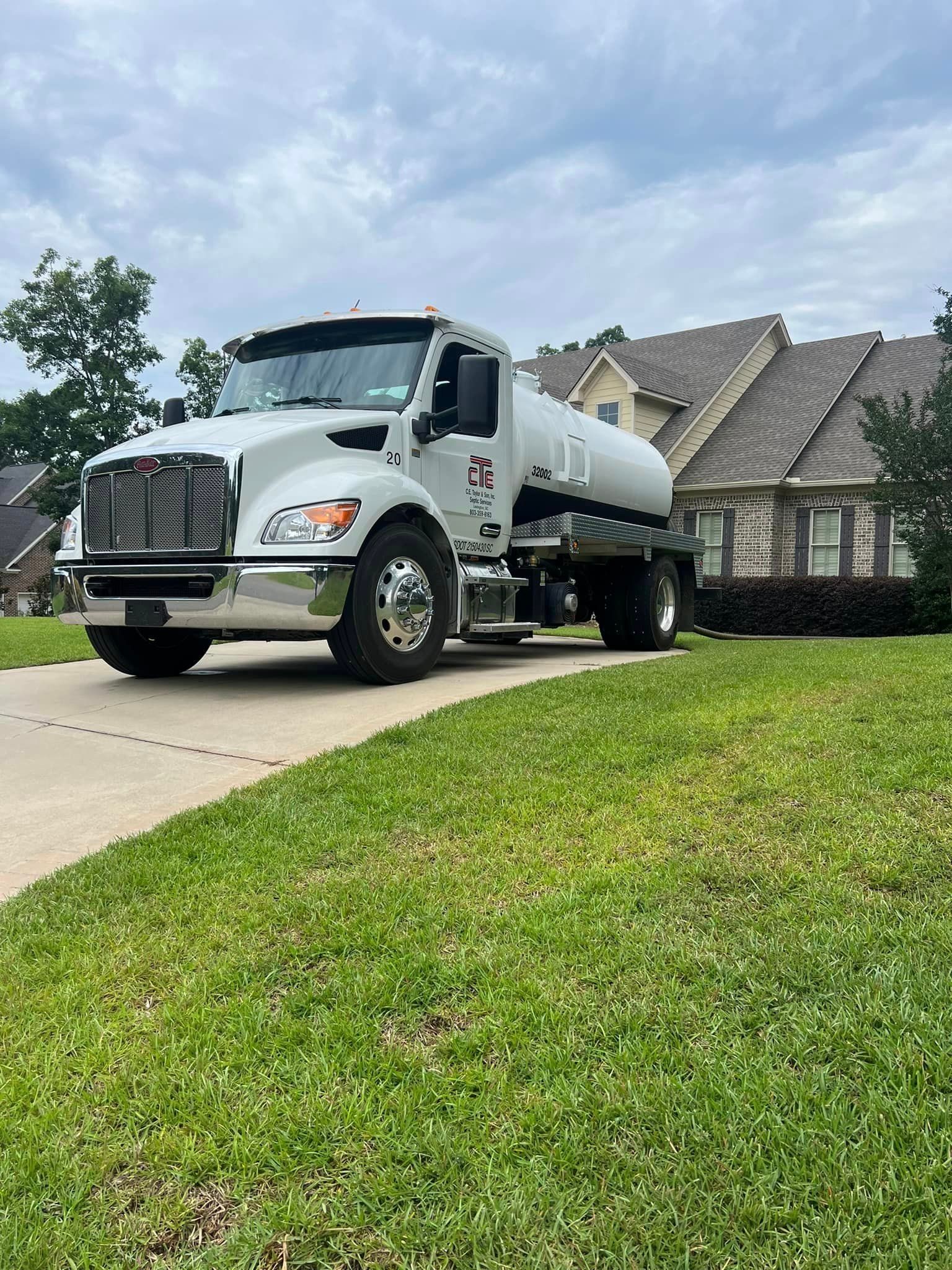
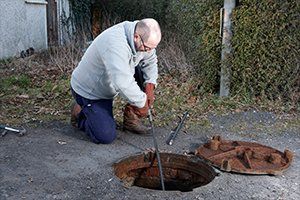
A septic inspection includes pumping the tank to allow for a thorough inspection of the interior. We assess the condition of the tank and baffles, locate the drain field, check for signs of leaks or wastewater surfacing, and look for any obvious issues with the system. If your system has a lift station, we’ll also test the pump, float switches, and alarm to ensure they’re operating properly.
2. Do I have to pump my septic tank for an inspection?
No. You do not need to schedule a separate septic tank pump-out before your inspection. Our septic inspection includes pumping the tank as part of the service, allowing us to thoroughly inspect the tank's interior, baffles, and overall system condition. This ensures we can accurately identify any signs of damage, wear, or potential issues that may affect your septic system's performance.
3. Why is septic inspection important before buying a home?
A septic system can be an expensive component of a home to replace. A septic inspection can help identify any current major issues before you buy. While it can’t guarantee how much life the system has left, it can reveal signs of existing or potential failure, giving you a better understanding of the system’s current condition before closing.
4. How long does a septic inspection take?
Most septic inspections take 60-90 minutes depending on accessibility
5. Will I receive a report after the inspection?
Yes, as long as the property is occupied and the septic system is currently in use. Because a vacant home isn’t generating normal wastewater flow, we can’t fully evaluate how the system is performing. For that reason, we do not issue an inspection report for vacant properties.
6. Can a septic inspection predict how much life my system has left?
No. A septic inspection can tell you the current condition of your system, but it can’t accurately predict how many years it has left. The lifespan of a septic system depends on factors like maintenance, household water usage, soil conditions, and the age of the system. An inspection helps identify any current issues and gives you the best picture of how your system is performing today.