By Admin
•
October 30, 2017
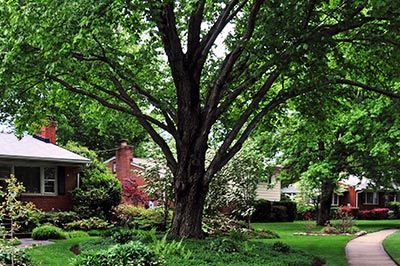
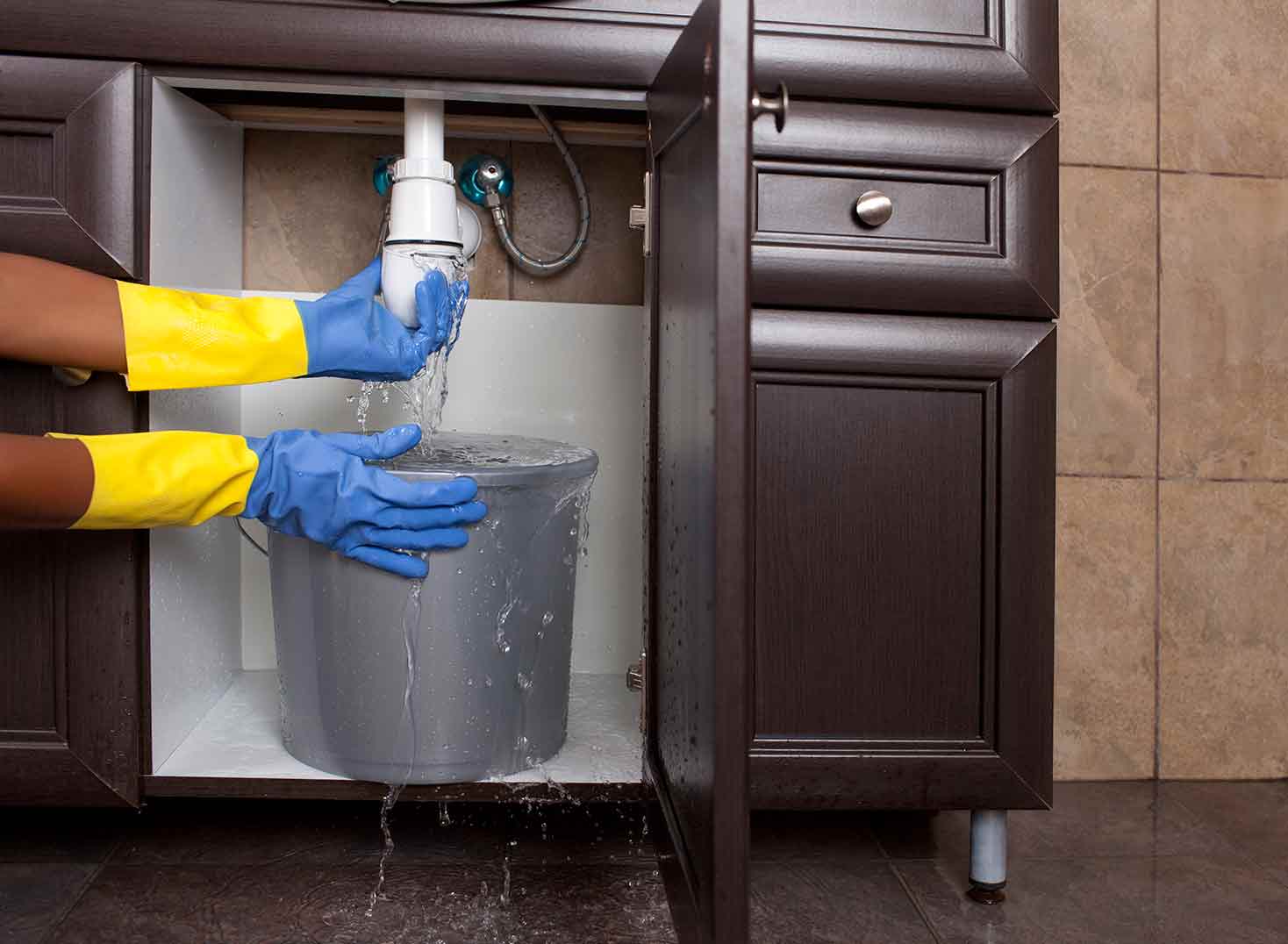
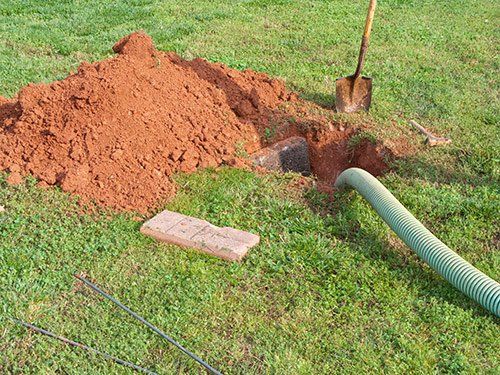
Some trees are more aggressive towards pipes than other trees are, and some have much larger root systems and much thirstier water-guzzling habits than others. So not every tree poses the same threat, but as a rule, you'll want to keep trees as far away from both your water and septic pipes as possible. As a quick back-of-the-hand estimate, you can use the tree's own size to check for correct placement. Find out what kinds of trees you have and what their mature height should be, and use that number as a guideline — if there's a pipe within that distance, the tree is too close. This goes for not only your clean water lines and the pipe to your septic tank, but also the entire septic drain field system (also known as the leach field), which is primarily composed of pipes. If you're wondering why it's so important to keep trees away from your pipes, that's because tree root systems can cause damage to pipes in a number of ways. Here are four of them. 1. Causing Bellied Pipes "Bellied" pipes refer to pipes that have a sunken section where the regular downward slope has been interrupted. This generally happens because the ground under the pipe has eroded, crumbled or settled, but tree roots can play a part in bellying as well. Anything that destabilizes the ground under a section of pipe, undermining the pipe's support in that section, can cause it to belly. 2. Prying Open Cracks Tree roots are experts at searching for traces of water. A miniscule crack or even a nearly-perfect joint that doesn't leak enough water to cause a problem can be like blood in the water for a tree root. And once it's found the source of the water, the root will head straight for the tiny crack and force its way in, growing thicker as it does so. As you can imagine, this can make cracks wider and allow more water to escape. 3. Creating Blockages Some trees have fast-growing roots that can grow through a crack and then grow at such speeds that they curl around and around inside the pipe until they've formed a mat that nothing can get through. This blockage can create problems for the rest of the system, including septic backups and flooding in your home (in a worst-case scenario). 4. Bursting Pipes The problem with roots is that they don't know when to stop. Once they've entered a pipe, they'll just keep going and going. If the root mass doesn't incapacitate the septic system, it will continue growing and may even burst the pipe from the inside. Tree roots can get huge and woody over weeks and months of growth, so they could end up taking over yards and yards of your pipes before they're discovered and removed. If caught in time, tree roots can often be removed with special equipment that cuts the roots out of the pipe from the inside. However, if the pipes are too damaged — for example, if they're burst from the inside — it may be necessary to dig up large sections of the pipes for replacement. So keeping trees away from your septic system is the best way to prevent these expensive types of damage. Whether you're looking for tree root removal, tips on protecting your system from roots or more information on how to tell if you have a root problem, we'd love to talk to you! Feel free to contact us today and ask about our repair and maintenance services. You can call us or simply use our online form !