Understand the Septic Inspection Process
Admin • August 27, 2018
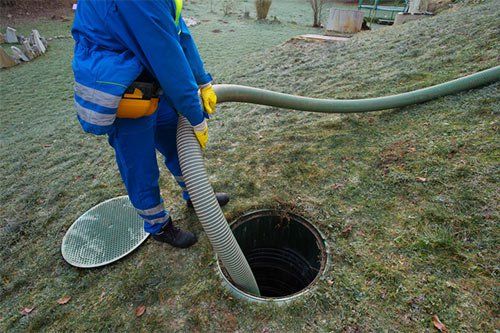
A septic tank acts as a settling chamber where waste from your house separates from the wastewater before this water flows into the drain field. With time, the solid waste left behind in the septic tank accumulates and can inhibit the settlement and separation process.
Periodic inspection can help to identify the level of sludge, the overall health of the septic system, and if pumping is necessary. Here is a quick guide to help you understand the septic inspection process.
Locating the Tank
Your septic tank inspector will locate your septic tank if you do not know where in your home the tank is.
If you have the original septic system permit, which usually comes with a map of the installed septic tank system, give this to the inspector to help locate the septic system.
The septic technician may use other equipment such as a ground probe rod or a retrievable radio transmitter flushed down the toilet to identify the location of the septic tank.
Removing the Lid
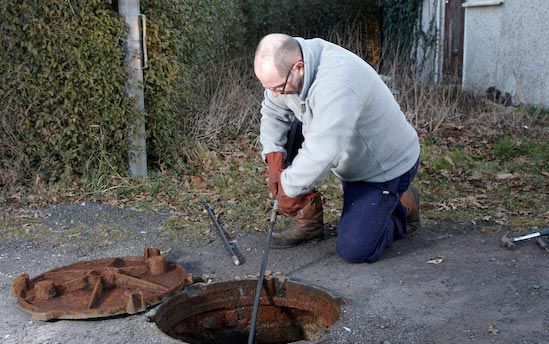
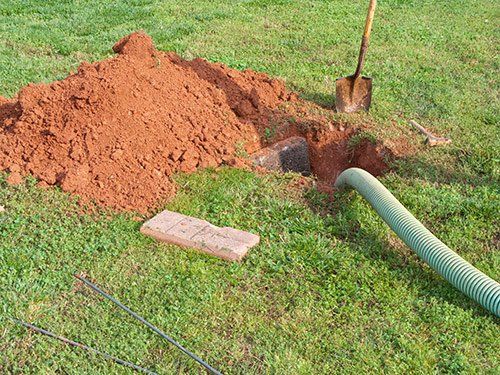
Once the inspector identifies the tank, the next step entails uncovering the tank to begin the internal inspection process. You might be able to save on time and labor costs if you can locate the septic tank and remove the cover yourself.
Ask your septic inspection company whether they require you to locate and uncover the septic tank in advance.
Determining the Level of Sludge
The inspector will use a sludge testing instrument, which typically is a long calibrated rod, to test the level of sludge in the tank.
At the bottom of the transparent, hollow rod is a plug that lets in wastewater and prevents the sludge from exiting the rod. The inspector dips the rod to the bottom of the tank and retrieves the rod back to the ground surface.
The wastewater and sludge inside the rod provides a snapshot of the conditions inside the septic tank and helps to determine if the tank needs pumping.
Testing for Leakages
The inspector will check that the septic tank is watertight and does not have any leakage points. A leaking septic tank can cause contamination of surface and groundwater and reduce the separation time needed to discharge clear wastewater into the drain field.
The two methods for testing water tightness are vacuum testing and hydrostatic testing. Both methods entail emptying the septic tank and pumping negative pressure or water respectively into the tank to detect leakages.
Inspecting the Baffles
Baffles act as regulatory valves at the inlet and outlet of the septic tank.
The inlet baffle regulates the flow rate of waste from the house to the tank to allow the solids to settle completely and to separate from the
wastewater. The outlet baffle prevents solid waste from entering the drain field.
wastewater. The outlet baffle prevents solid waste from entering the drain field.
The inspector will check that these regulating valves are working properly and are firmly attached to the tank's inlet and outlet pipes. Over time, the baffles may succumb to wear and tear, and corrosion. Regular inspection will help to determine when to replace these components.
Checking Filters and Water Flow
The effluent filter located on the outlet pipe of the tank also prevents solids from flowing into the drain field and causing contamination of groundwater. A septic tank inspection checks if this filter is working properly and whether the filter needs replacing.
Lastly, the inspector will assess the pattern of water flow into and out of the tank. Water draining into the tank may be indicative of a leak, and water back-flowing into the tank could be a sign of problems with the drain field.
Do not wait until you want to sell your home to have a septic tank inspection. Ideally, a professional should inspect your system every few years to mitigate septic tank emergencies.
At C.E. Taylor and Son, Inc., we know all about septic tank inspection and maintenance. Call us today to schedule an appointment.
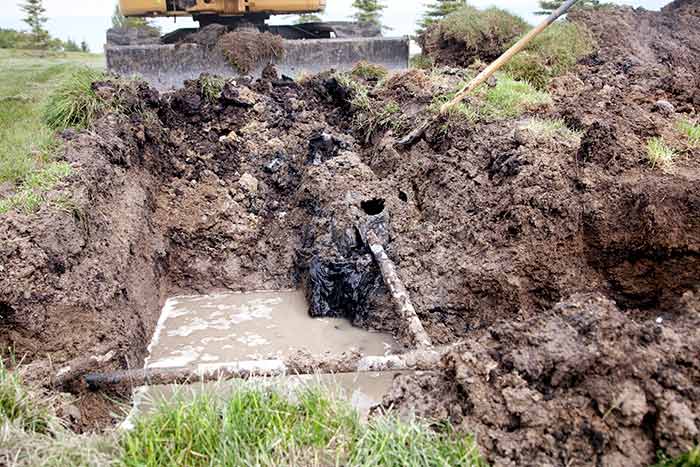
Learn the dangers of a damaged or leaking septic system and how C.E. Taylor & Son Inc provides expert septic solutions to protect your property and prevent costly repairs.
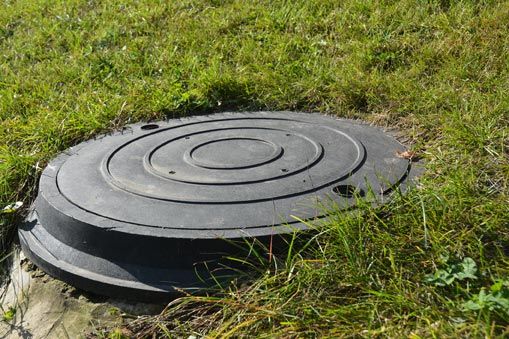
Learn how owning a septic system impacts your budget. C.E. Taylor & Son Inc. shares 3 key cost considerations to help homeowners plan for septic maintenance and expenses.
Learn the 5 key things every homeowner should know about their septic drain field, including maintenance tips, warning signs, and ways to prevent costly septic issues with C.E. Taylor & Son Inc.
Learn how to maintain your septic tank with expert tips from C.E. Taylor & Son Inc. Keep your septic system working efficiently with proper care, maintenance, and professional service.
Conserve water and improve septic system efficiency with expert tips from C.E. Taylor & Son Inc. Learn smart water-saving practices to protect your septic tank and avoid costly issues.
Learn seven essential septic tank maintenance tips from C.E. Taylor & Son Inc. to keep your system healthy, prevent issues, and ensure reliable septic performance.

Some trees are more aggressive towards pipes than other trees are, and some have much larger root systems and much thirstier water-guzzling habits than others. So not every tree poses the same threat, but as a rule, you'll want to keep trees as far away from both your water and septic pipes as possible. As a quick back-of-the-hand estimate, you can use the tree's own size to check for correct placement. Find out what kinds of trees you have and what their mature height should be, and use that number as a guideline — if there's a pipe within that distance, the tree is too close. This goes for not only your clean water lines and the pipe to your septic tank, but also the entire septic drain field system (also known as the leach field), which is primarily composed of pipes. If you're wondering why it's so important to keep trees away from your pipes, that's because tree root systems can cause damage to pipes in a number of ways. Here are four of them. 1. Causing Bellied Pipes "Bellied" pipes refer to pipes that have a sunken section where the regular downward slope has been interrupted. This generally happens because the ground under the pipe has eroded, crumbled or settled, but tree roots can play a part in bellying as well. Anything that destabilizes the ground under a section of pipe, undermining the pipe's support in that section, can cause it to belly. 2. Prying Open Cracks Tree roots are experts at searching for traces of water. A miniscule crack or even a nearly-perfect joint that doesn't leak enough water to cause a problem can be like blood in the water for a tree root. And once it's found the source of the water, the root will head straight for the tiny crack and force its way in, growing thicker as it does so. As you can imagine, this can make cracks wider and allow more water to escape. 3. Creating Blockages Some trees have fast-growing roots that can grow through a crack and then grow at such speeds that they curl around and around inside the pipe until they've formed a mat that nothing can get through. This blockage can create problems for the rest of the system, including septic backups and flooding in your home (in a worst-case scenario). 4. Bursting Pipes The problem with roots is that they don't know when to stop. Once they've entered a pipe, they'll just keep going and going. If the root mass doesn't incapacitate the septic system, it will continue growing and may even burst the pipe from the inside. Tree roots can get huge and woody over weeks and months of growth, so they could end up taking over yards and yards of your pipes before they're discovered and removed. If caught in time, tree roots can often be removed with special equipment that cuts the roots out of the pipe from the inside. However, if the pipes are too damaged — for example, if they're burst from the inside — it may be necessary to dig up large sections of the pipes for replacement. So keeping trees away from your septic system is the best way to prevent these expensive types of damage. Whether you're looking for tree root removal, tips on protecting your system from roots or more information on how to tell if you have a root problem, we'd love to talk to you! Feel free to contact us today and ask about our repair and maintenance services. You can call us or simply use our online form !
Learn kitchen and cooking habits that can harm your septic system. C.E. Taylor & Son Inc. shares tips to prevent damage and keep your septic system working efficiently.
Learn how to handle a septic emergency with C.E. Taylor & Son Inc. Get expert tips for septic backups, overflows, and urgent repairs to protect your home and system.
Learn the signs your septic tank needs pumping and avoid costly issues. C.E. Taylor & Son Inc. provides expert septic services to keep your system working efficiently.