5 Things Homeowners Should Know About Their Septic Drain Field
Admin • April 30, 2018
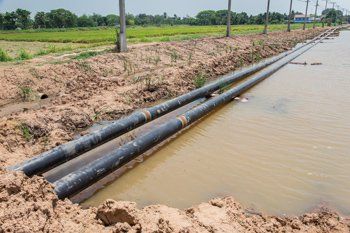
Your septic system is made up of two main components: the tank and the drain field, which is also called the leach field. Most septic system owners know that their wastewater travels into a septic tank, but most homeowners are not well-versed in the care and operation of the drain field. Here are five things every homeowner should know about their septic field.
1. The Drain Field Must Never Be Covered
Your septic drain field is designed to help all the wastewater flowing from your septic tank dissipate into the surrounding environment. Much of the water drains down through the topsoil and is eventually filtered into the groundwater. However, a good portion of the water also travels to the surface to evaporate in the air.
If you cover your drain field, even just with a tarp or piece of landscape fabric, you're suppressing its ability to evaporate water into the air. This reduces your field's ability to treat wastewater.
2. The Area Needs Uncompacted Soil
Because of the critical function of evaporation, you also need to take care not to smash the soil down. Doing so would reduce the soil’s ability to evaporate water into the surrounding air. It would also be problematic because the drain field needs aerobic bacteria, and aerobic bacteria won't thrive if all the air has been smashed out of the soil.
3. Some Plants Are Off-Limits
Planting grass or another low-maintenance groundcover over your septic drain field is recommended because the plants can help hold the soil together so the water doesn't erode it away. The plants also use some of the excess water that the drain field is working to dissipate.
However, if you want to do more complicated landscape plantings in the area, you need to be careful to avoid certain types of plants. These include:
- Trees and shrubs, as well as other plants with deep, aggressive roots
- High-maintenance plants that will require lots of foot traffic to the area
- Edible plants; they could absorb contaminants (especially if there's ever a leak)
Planting any of these types of plants above your septic field could cause problems later on.
4. The Drain Field Is More Expensive to Replace Than the Tank
Septic professionals know that septic tanks don't last forever; in fact, they often need to be replaced after about 20 years. Still, you don't want to make that interval any shorter by neglecting maintenance, because the installation can cost several thousand dollars.
However, you may not realize that replacing your drain field can cost much more than replacing the tank. In addition, the drain field is what's likely to be damaged if you put trash down the drains or neglect to pump the solids out of your septic tank. This is because these solid waste products can clog up the drain field pipes.
5. Drain Field Damage Can Contaminate Groundwater
It's not just the price of replacement that should drive you to keep your septic leach field well-maintained. There's also the danger that if damaged, the drain field may not process water correctly anymore. This can allow contaminants to make their way into the groundwater, and you may not even realize that it's happening
If you have a private well, then you rely on this groundwater for your drinking water. So keeping your septic drain field in good health is a critical part of keeping yourself and your family in good health.
These five basics will help you understand your drain field a little better so that you don't take it for granted. Whether you need help diagnosing and repairing your field or whether you're looking for preventive maintenance to keep problems from occurring later, get in touch with C.E. Taylor and Son Inc.
today to schedule an appointment.
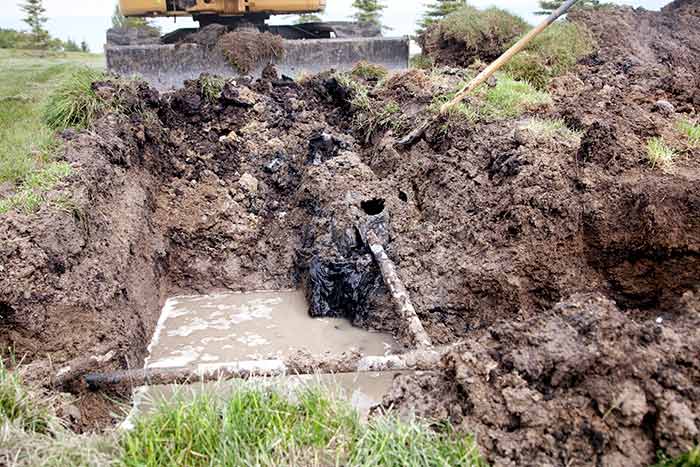
Learn the dangers of a damaged or leaking septic system and how C.E. Taylor & Son Inc provides expert septic solutions to protect your property and prevent costly repairs.
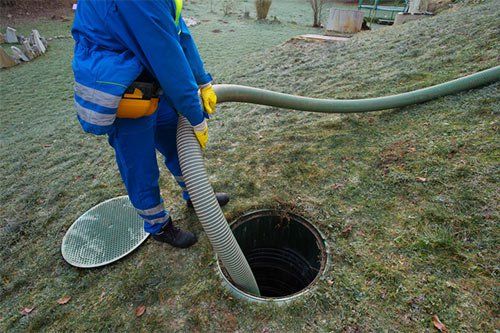
Learn how the septic inspection process works with C.E. Taylor & Son Inc. Get expert insights on septic tank checks, maintenance needs, and protecting your system’s performance.
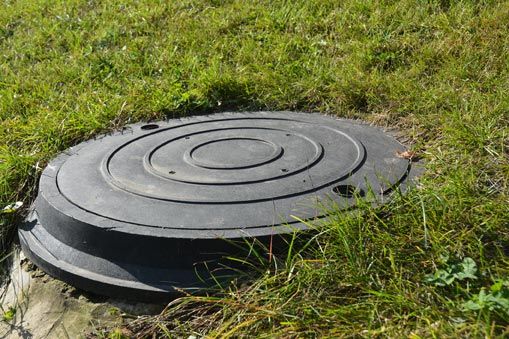
Learn how owning a septic system impacts your budget. C.E. Taylor & Son Inc. shares 3 key cost considerations to help homeowners plan for septic maintenance and expenses.
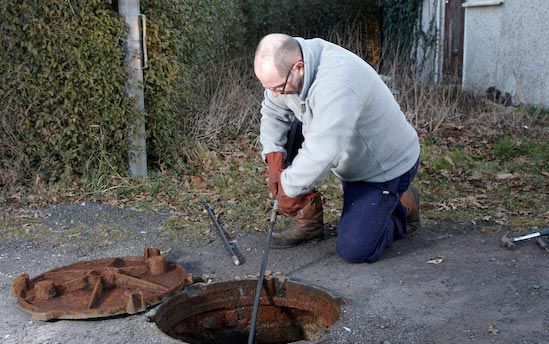
Learn how to maintain your septic tank with expert tips from C.E. Taylor & Son Inc. Keep your septic system working efficiently with proper care, maintenance, and professional service.
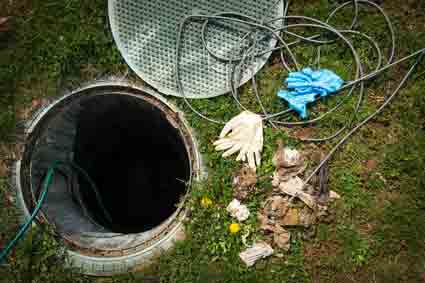
Conserve water and improve septic system efficiency with expert tips from C.E. Taylor & Son Inc. Learn smart water-saving practices to protect your septic tank and avoid costly issues.
Learn seven essential septic tank maintenance tips from C.E. Taylor & Son Inc. to keep your system healthy, prevent issues, and ensure reliable septic performance.
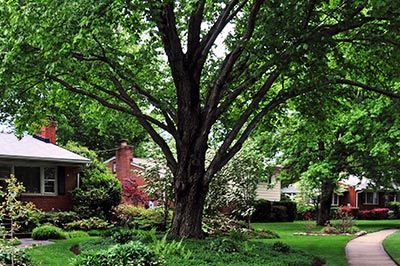
Some trees are more aggressive towards pipes than other trees are, and some have much larger root systems and much thirstier water-guzzling habits than others. So not every tree poses the same threat, but as a rule, you'll want to keep trees as far away from both your water and septic pipes as possible. As a quick back-of-the-hand estimate, you can use the tree's own size to check for correct placement. Find out what kinds of trees you have and what their mature height should be, and use that number as a guideline — if there's a pipe within that distance, the tree is too close. This goes for not only your clean water lines and the pipe to your septic tank, but also the entire septic drain field system (also known as the leach field), which is primarily composed of pipes. If you're wondering why it's so important to keep trees away from your pipes, that's because tree root systems can cause damage to pipes in a number of ways. Here are four of them. 1. Causing Bellied Pipes "Bellied" pipes refer to pipes that have a sunken section where the regular downward slope has been interrupted. This generally happens because the ground under the pipe has eroded, crumbled or settled, but tree roots can play a part in bellying as well. Anything that destabilizes the ground under a section of pipe, undermining the pipe's support in that section, can cause it to belly. 2. Prying Open Cracks Tree roots are experts at searching for traces of water. A miniscule crack or even a nearly-perfect joint that doesn't leak enough water to cause a problem can be like blood in the water for a tree root. And once it's found the source of the water, the root will head straight for the tiny crack and force its way in, growing thicker as it does so. As you can imagine, this can make cracks wider and allow more water to escape. 3. Creating Blockages Some trees have fast-growing roots that can grow through a crack and then grow at such speeds that they curl around and around inside the pipe until they've formed a mat that nothing can get through. This blockage can create problems for the rest of the system, including septic backups and flooding in your home (in a worst-case scenario). 4. Bursting Pipes The problem with roots is that they don't know when to stop. Once they've entered a pipe, they'll just keep going and going. If the root mass doesn't incapacitate the septic system, it will continue growing and may even burst the pipe from the inside. Tree roots can get huge and woody over weeks and months of growth, so they could end up taking over yards and yards of your pipes before they're discovered and removed. If caught in time, tree roots can often be removed with special equipment that cuts the roots out of the pipe from the inside. However, if the pipes are too damaged — for example, if they're burst from the inside — it may be necessary to dig up large sections of the pipes for replacement. So keeping trees away from your septic system is the best way to prevent these expensive types of damage. Whether you're looking for tree root removal, tips on protecting your system from roots or more information on how to tell if you have a root problem, we'd love to talk to you! Feel free to contact us today and ask about our repair and maintenance services. You can call us or simply use our online form !
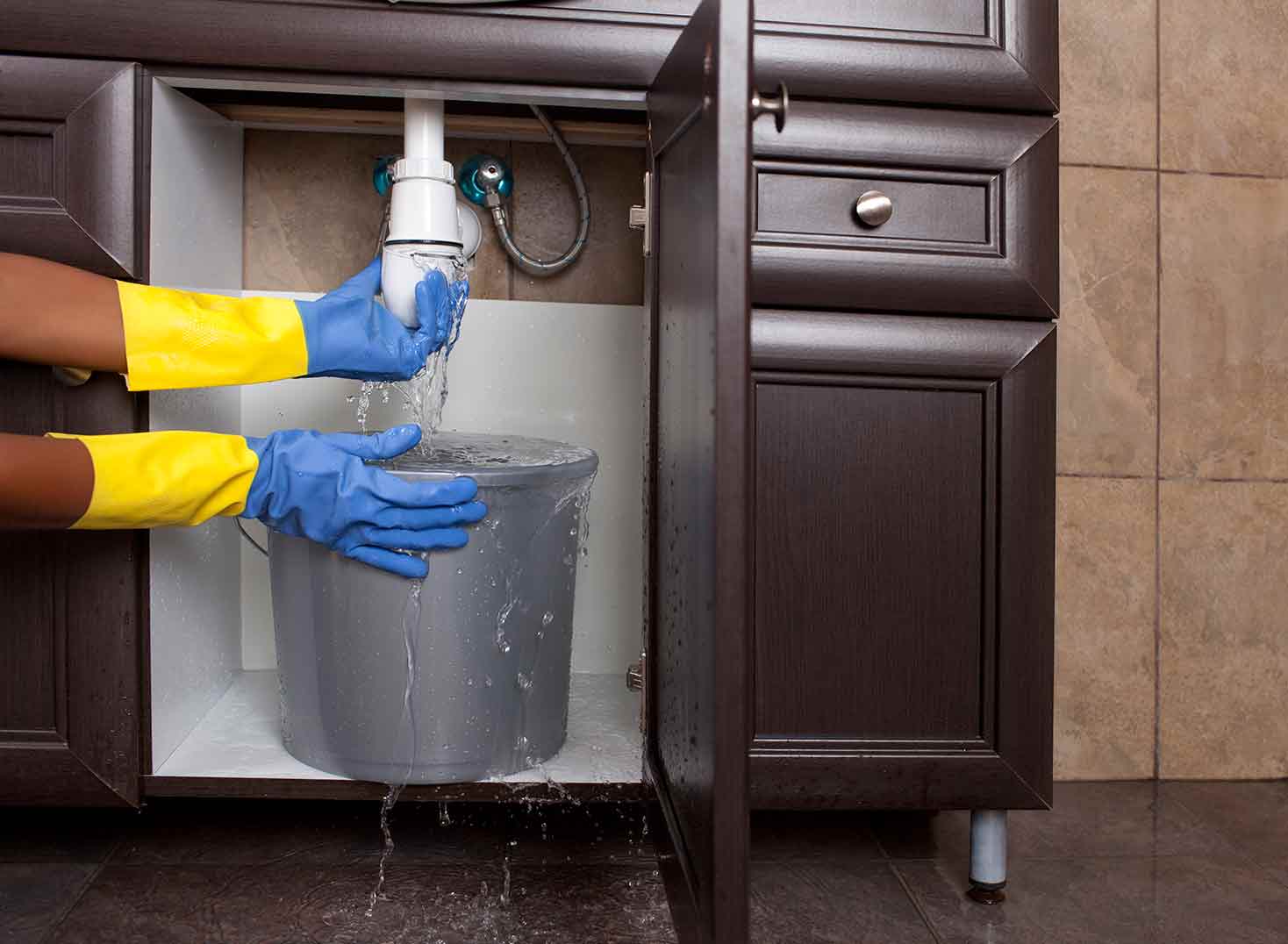
Learn kitchen and cooking habits that can harm your septic system. C.E. Taylor & Son Inc. shares tips to prevent damage and keep your septic system working efficiently.
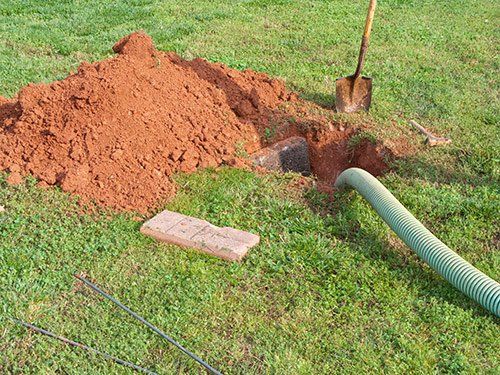
Learn how to handle a septic emergency with C.E. Taylor & Son Inc. Get expert tips for septic backups, overflows, and urgent repairs to protect your home and system.
Learn the signs your septic tank needs pumping and avoid costly issues. C.E. Taylor & Son Inc. provides expert septic services to keep your system working efficiently.