The Dangers of a Damaged or Leaking Septic System
Admin • October 23, 2018
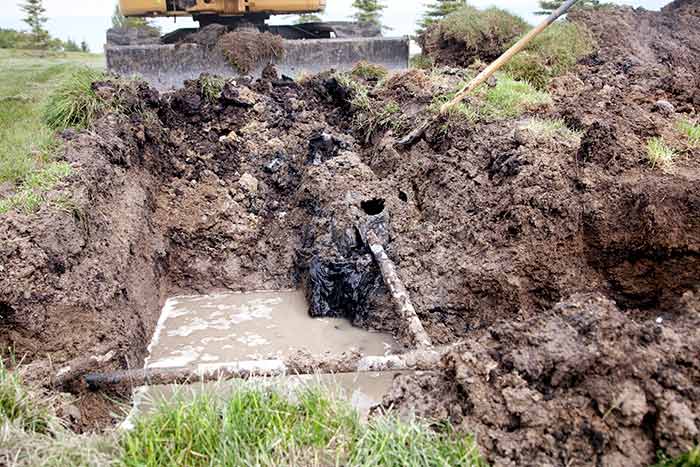
When your septic system has a leak or some kind of other issue, you might think of it as a minor annoyance. Unfortunately, though, the problem can sometimes be more serious than that.
Septic leaks and other problems can be surprisingly hazardous and dangerous. You need to be aware of the different dangers that can go along with septic problems so you can help to prevent problems to protect your family from any associated risks.
Lack of Oxygen
When you think of a sewage leak in your home, you probably don't think of having to deal with a lack of oxygen. Believe it or not, however, a bad leak can actually lead to low oxygen levels and the many problems that go along with this issue.
Sewage typically creates a lot of gas buildup. The gases created then, in turn, deplete the oxygen levels, which can lead to serious problems for both people and pets. For this reason, any suspected sewage leaks should be handled immediately. Do not wait or think that the problem is not serious - it very well could be.
Driving Hazard
Sometimes, septic tank leaks are dangerous in a different way than you might have imagined. While the gas and the fumes can certainly be dangerous to deal with, all the smelly liquid that can be released can also pose a hazard.
Your tires could easily get stuck in all the mud and sludge produced when there's a septic leak. Or you could find your car skidding and sliding all over the place.
Driving in or around areas where there has been a septic leak can actually prove quite dangerous, not to mention disgusting. This is why it's immensely important to tend to septic leaks immediately, before they have the chance to become major hazards.
Contaminated Water
Most of us feel fairly confident in the fact that our drinking water is safe. Sometimes, though, a problem with your septic system could leak to contamination of your drinking water. If your sewage has not been properly treated, it could very possibly find its way into and contaminate your groundwater in the event of a leak.
This can lead to people getting seriously ill. In some cases, it could even cause serious health conditions, depending on what chemicals or nutrients leak into the water from the sewage. If you have or suspect you may have a leak, you should avoid drinking your home's water until you know for sure that it is safe and has not been affected by the septic leak.
Home Damage
Depending on how bad a septic leak is, the leak could actually cause damage to your entire home. If the septic tank is placed close to the home or if the leak is immense enough to send fluid all the way up to your home, your home could suffer water damage as a result. Flooding is even possible for larger septic tanks and larger leaks.
It's not just water that is damaging your home either. Yes, septic leaks contain water, but they can also contain waste and other hazards, which can make the damage to a home even more difficult to fix. As such, you must tend to leaks, especially large leaks, immediately and do everything possible to protect your home if an unexpected leak occurs.
As you can see, septic leaks and damaged septic systems can pose some real dangers to your home and family. Fortunately, you can reduce these types of risks by having your septic system checked and serviced regularly by professionals, such as the experts at C.E. Taylor and Son Inc.
Learn how the septic inspection process works with C.E. Taylor & Son Inc. Get expert insights on septic tank checks, maintenance needs, and protecting your system’s performance.
Learn how owning a septic system impacts your budget. C.E. Taylor & Son Inc. shares 3 key cost considerations to help homeowners plan for septic maintenance and expenses.
Learn the 5 key things every homeowner should know about their septic drain field, including maintenance tips, warning signs, and ways to prevent costly septic issues with C.E. Taylor & Son Inc.
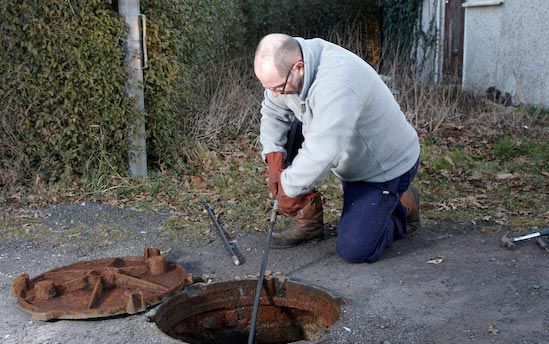
Learn how to maintain your septic tank with expert tips from C.E. Taylor & Son Inc. Keep your septic system working efficiently with proper care, maintenance, and professional service.
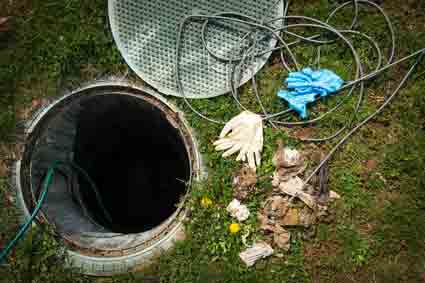
Conserve water and improve septic system efficiency with expert tips from C.E. Taylor & Son Inc. Learn smart water-saving practices to protect your septic tank and avoid costly issues.
Learn seven essential septic tank maintenance tips from C.E. Taylor & Son Inc. to keep your system healthy, prevent issues, and ensure reliable septic performance.

Some trees are more aggressive towards pipes than other trees are, and some have much larger root systems and much thirstier water-guzzling habits than others. So not every tree poses the same threat, but as a rule, you'll want to keep trees as far away from both your water and septic pipes as possible. As a quick back-of-the-hand estimate, you can use the tree's own size to check for correct placement. Find out what kinds of trees you have and what their mature height should be, and use that number as a guideline — if there's a pipe within that distance, the tree is too close. This goes for not only your clean water lines and the pipe to your septic tank, but also the entire septic drain field system (also known as the leach field), which is primarily composed of pipes. If you're wondering why it's so important to keep trees away from your pipes, that's because tree root systems can cause damage to pipes in a number of ways. Here are four of them. 1. Causing Bellied Pipes "Bellied" pipes refer to pipes that have a sunken section where the regular downward slope has been interrupted. This generally happens because the ground under the pipe has eroded, crumbled or settled, but tree roots can play a part in bellying as well. Anything that destabilizes the ground under a section of pipe, undermining the pipe's support in that section, can cause it to belly. 2. Prying Open Cracks Tree roots are experts at searching for traces of water. A miniscule crack or even a nearly-perfect joint that doesn't leak enough water to cause a problem can be like blood in the water for a tree root. And once it's found the source of the water, the root will head straight for the tiny crack and force its way in, growing thicker as it does so. As you can imagine, this can make cracks wider and allow more water to escape. 3. Creating Blockages Some trees have fast-growing roots that can grow through a crack and then grow at such speeds that they curl around and around inside the pipe until they've formed a mat that nothing can get through. This blockage can create problems for the rest of the system, including septic backups and flooding in your home (in a worst-case scenario). 4. Bursting Pipes The problem with roots is that they don't know when to stop. Once they've entered a pipe, they'll just keep going and going. If the root mass doesn't incapacitate the septic system, it will continue growing and may even burst the pipe from the inside. Tree roots can get huge and woody over weeks and months of growth, so they could end up taking over yards and yards of your pipes before they're discovered and removed. If caught in time, tree roots can often be removed with special equipment that cuts the roots out of the pipe from the inside. However, if the pipes are too damaged — for example, if they're burst from the inside — it may be necessary to dig up large sections of the pipes for replacement. So keeping trees away from your septic system is the best way to prevent these expensive types of damage. Whether you're looking for tree root removal, tips on protecting your system from roots or more information on how to tell if you have a root problem, we'd love to talk to you! Feel free to contact us today and ask about our repair and maintenance services. You can call us or simply use our online form !
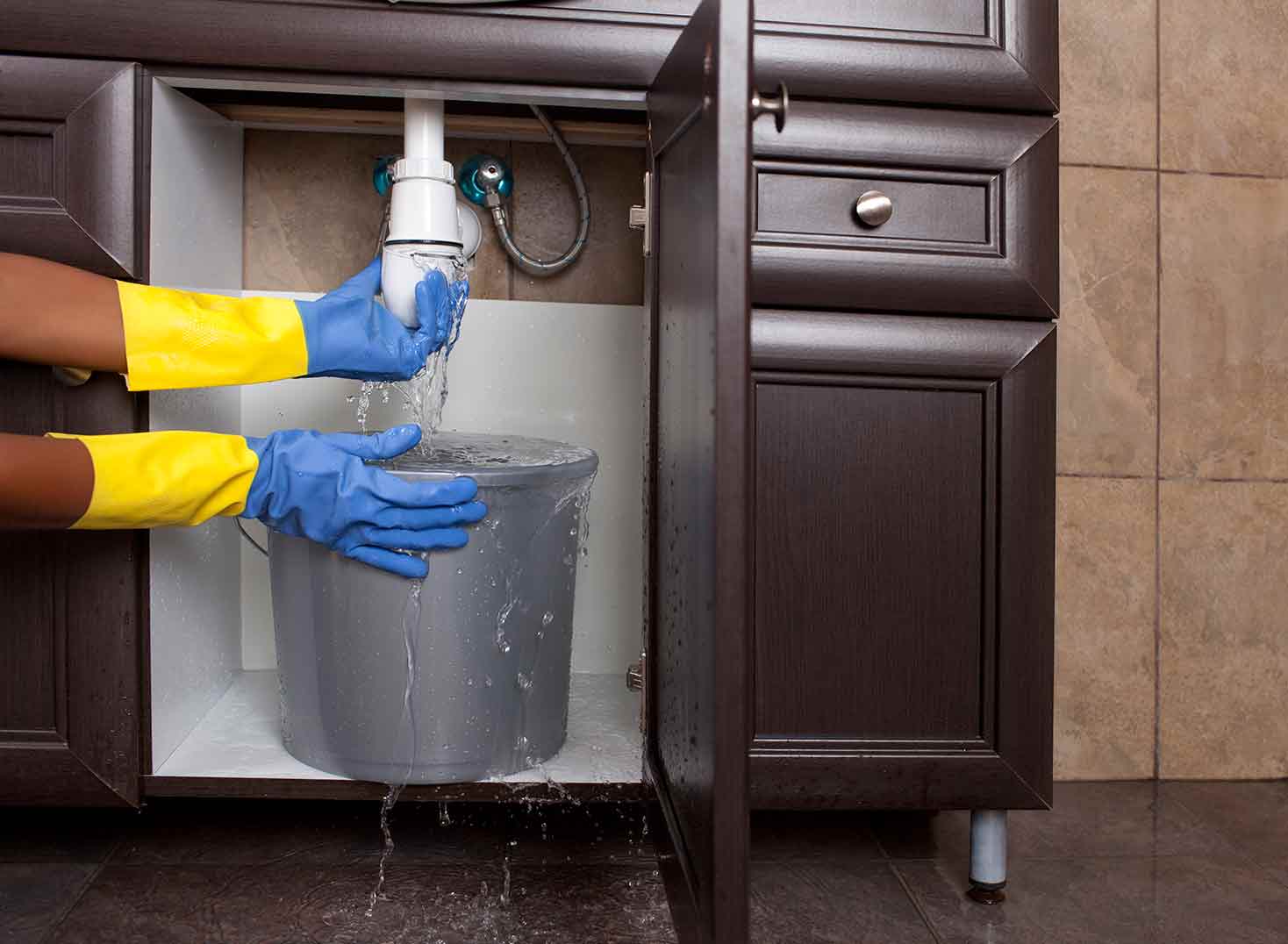
Learn kitchen and cooking habits that can harm your septic system. C.E. Taylor & Son Inc. shares tips to prevent damage and keep your septic system working efficiently.
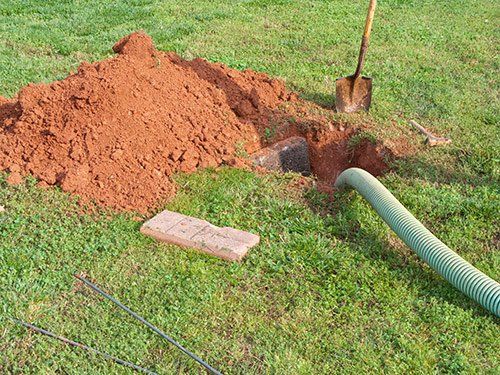
Learn how to handle a septic emergency with C.E. Taylor & Son Inc. Get expert tips for septic backups, overflows, and urgent repairs to protect your home and system.
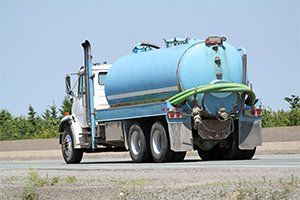
Learn the signs your septic tank needs pumping and avoid costly issues. C.E. Taylor & Son Inc. provides expert septic services to keep your system working efficiently.