Kitchen and Cooking Practices Harmful to Your Septic System
Admin • September 6, 2017
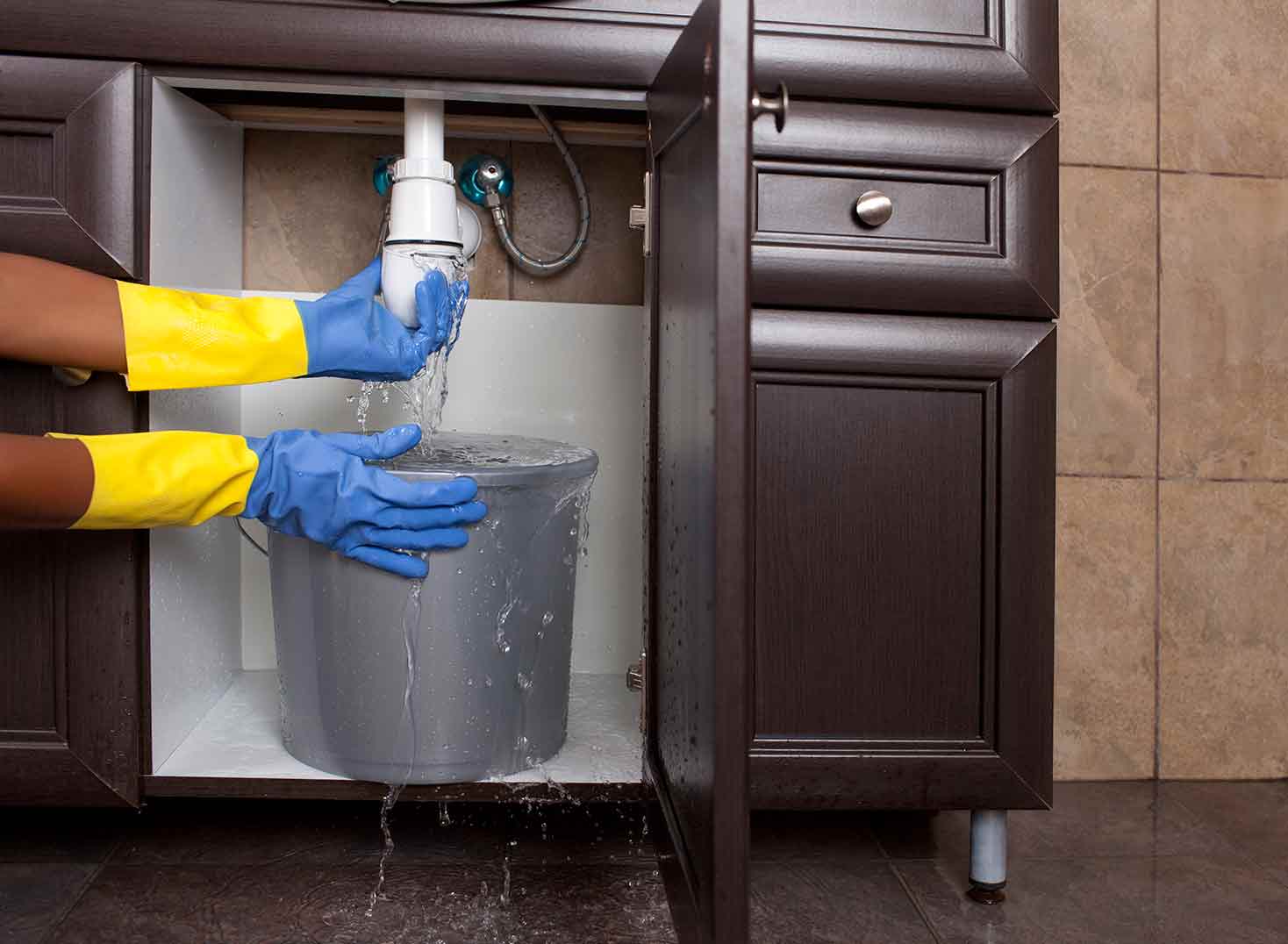
The kitchen is a place where you can enjoy time with family and bond over delicious, home-cooked meals. However, it can also be the place where septic tank issues begin. Many homeowners unknowingly engage in food prep and kitchen maintenance practices that leave their septic tanks prone to damage and backups. If you follow any of these common kitchen habits, it's a good idea to stop before you end up having to call for emergency septic service.
Putting Grease Down the Drain
When you hear grease problems discussed among plumbers and homeowners, these discussions are often focused on how grease can clog a main sewer line, leading to backups. Since you don't have a sewer connection, you might assume putting some grease down the drain is okay, especially if you're careful to run the hot water and keep the grease liquid as it runs down the pipes. Sadly, this is not the case.
Even if the grease manages to make its way through your drain pipes without latching onto the walls --and in most cases, it won't--grease is notoriously bad for your septic tank. Any grease you pour down the drain ends up floating on top of the water in the tank and interfering with the way water and broken down waste flow out into your septic leech field. Fatty deposits are hard for your septic pumping professional to remove, too.
Instead of pouring cooking grease down the sink, allow it to solidify or cool, and then scoop it out into the trash can. The same goes for any greasy or oily sauces. Also make sure you wipe out any greasy pans with a paper towel before putting them in the dishwasher or washing them by hand.
Using a Garbage Disposal
Garbage disposals have made cleaning up after big meals or food prep sessions so much easier. However, many septic experts recommend against installing them in homes with septic systems because all of the ground-up food waste they send down into the septic tank increases the chances of clogs and the frequency at which you'll need to pump your tank. This food takes a while to break down and takes up space that could otherwise be utilized by human waste and waste water.
If you have a garbage disposal in your home with a septic system, the best thing you can do is to stop using it completely. But if that's not realistic, you can at least decrease the frequency of use. Try disposing of most of your food waste in a compost bin and only using the disposal when you scrape off plates. Or, only use the disposal when you are in a rush, and take the time to compost when you have it. The less you put down the disposal, the better.
Using a Lot of Bleach and Drain Cleaners
Your septic tank only works as well as it does because of the bacteria living within it. These bacteria break down the solid waste into tiny particles that are easily rinsed out into the drain field, along with water. While the bacterial population can generally withstand the occasional douse of bleach or disinfectants, constantly using these harsh chemicals in your kitchen can decrease the bacterial population significantly, slowing down the rate at which your tank empties.
So, if you are a heavy bleach user, it may be time to change your ways. There's really no reason to use gallons of bleach in your kitchen anyways. Just a tablespoon in a gallon of water is enough to sanitize your surfaces, and that amount is generally safe for your septic tank, too. Also watch your use of drain cleaners, which are even more harmful to septic bacteria. Remove drain clogs with a plunger and hot water whenever possible.
If you stop engaging in the kitchen habits above, your septic tank should continue to operate more effectively. In addition to avoiding these habits, make sure you have your system pumped by a service like C.E. Taylor and Son, Inc
every three to five years, and avoid agitating your septic drain field with heavy equipment.
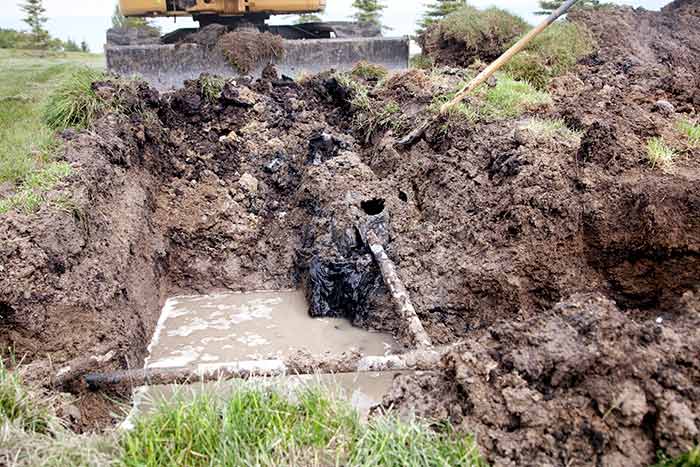
Learn the dangers of a damaged or leaking septic system and how C.E. Taylor & Son Inc provides expert septic solutions to protect your property and prevent costly repairs.
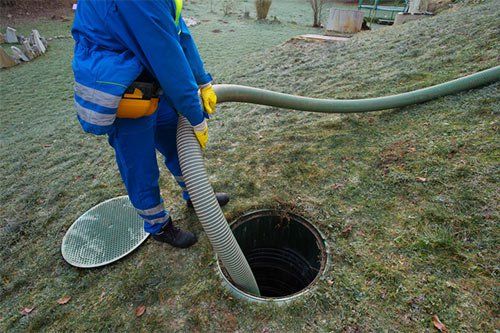
Learn how the septic inspection process works with C.E. Taylor & Son Inc. Get expert insights on septic tank checks, maintenance needs, and protecting your system’s performance.
Learn how owning a septic system impacts your budget. C.E. Taylor & Son Inc. shares 3 key cost considerations to help homeowners plan for septic maintenance and expenses.
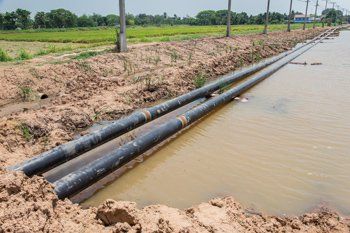
Learn the 5 key things every homeowner should know about their septic drain field, including maintenance tips, warning signs, and ways to prevent costly septic issues with C.E. Taylor & Son Inc.
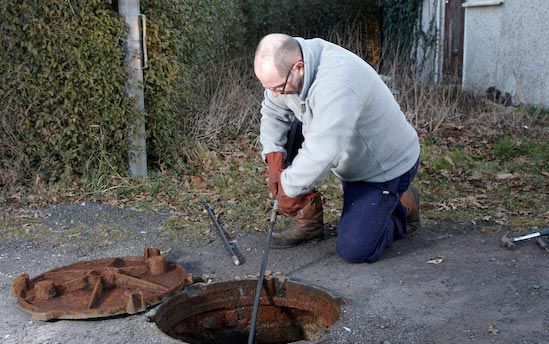
Learn how to maintain your septic tank with expert tips from C.E. Taylor & Son Inc. Keep your septic system working efficiently with proper care, maintenance, and professional service.
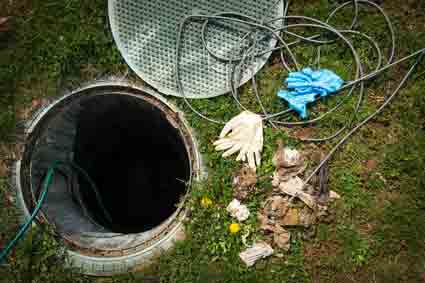
Conserve water and improve septic system efficiency with expert tips from C.E. Taylor & Son Inc. Learn smart water-saving practices to protect your septic tank and avoid costly issues.
Learn seven essential septic tank maintenance tips from C.E. Taylor & Son Inc. to keep your system healthy, prevent issues, and ensure reliable septic performance.
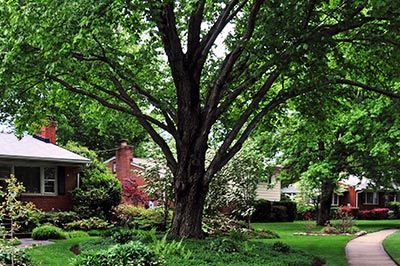
Some trees are more aggressive towards pipes than other trees are, and some have much larger root systems and much thirstier water-guzzling habits than others. So not every tree poses the same threat, but as a rule, you'll want to keep trees as far away from both your water and septic pipes as possible. As a quick back-of-the-hand estimate, you can use the tree's own size to check for correct placement. Find out what kinds of trees you have and what their mature height should be, and use that number as a guideline — if there's a pipe within that distance, the tree is too close. This goes for not only your clean water lines and the pipe to your septic tank, but also the entire septic drain field system (also known as the leach field), which is primarily composed of pipes. If you're wondering why it's so important to keep trees away from your pipes, that's because tree root systems can cause damage to pipes in a number of ways. Here are four of them. 1. Causing Bellied Pipes "Bellied" pipes refer to pipes that have a sunken section where the regular downward slope has been interrupted. This generally happens because the ground under the pipe has eroded, crumbled or settled, but tree roots can play a part in bellying as well. Anything that destabilizes the ground under a section of pipe, undermining the pipe's support in that section, can cause it to belly. 2. Prying Open Cracks Tree roots are experts at searching for traces of water. A miniscule crack or even a nearly-perfect joint that doesn't leak enough water to cause a problem can be like blood in the water for a tree root. And once it's found the source of the water, the root will head straight for the tiny crack and force its way in, growing thicker as it does so. As you can imagine, this can make cracks wider and allow more water to escape. 3. Creating Blockages Some trees have fast-growing roots that can grow through a crack and then grow at such speeds that they curl around and around inside the pipe until they've formed a mat that nothing can get through. This blockage can create problems for the rest of the system, including septic backups and flooding in your home (in a worst-case scenario). 4. Bursting Pipes The problem with roots is that they don't know when to stop. Once they've entered a pipe, they'll just keep going and going. If the root mass doesn't incapacitate the septic system, it will continue growing and may even burst the pipe from the inside. Tree roots can get huge and woody over weeks and months of growth, so they could end up taking over yards and yards of your pipes before they're discovered and removed. If caught in time, tree roots can often be removed with special equipment that cuts the roots out of the pipe from the inside. However, if the pipes are too damaged — for example, if they're burst from the inside — it may be necessary to dig up large sections of the pipes for replacement. So keeping trees away from your septic system is the best way to prevent these expensive types of damage. Whether you're looking for tree root removal, tips on protecting your system from roots or more information on how to tell if you have a root problem, we'd love to talk to you! Feel free to contact us today and ask about our repair and maintenance services. You can call us or simply use our online form !
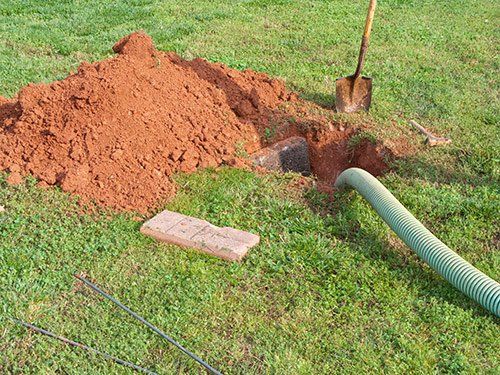
Learn how to handle a septic emergency with C.E. Taylor & Son Inc. Get expert tips for septic backups, overflows, and urgent repairs to protect your home and system.
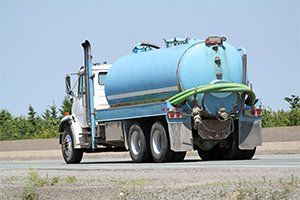
Learn the signs your septic tank needs pumping and avoid costly issues. C.E. Taylor & Son Inc. provides expert septic services to keep your system working efficiently.